When the Fog Rolls In: Navigating Coastal Climbing in Low Visibility
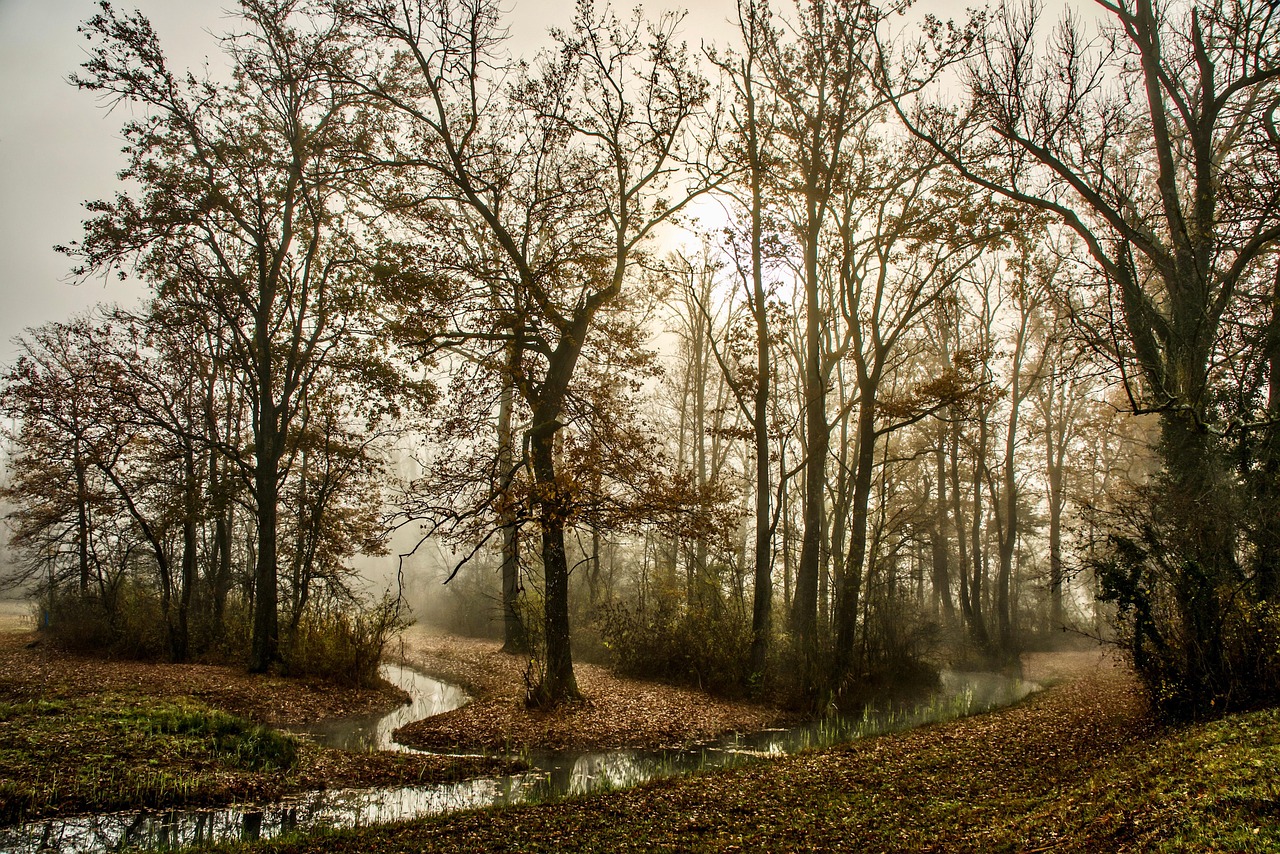
Coastal fog is a character. It arrives without drama, swallows the headland, and turns a landscape you thought you knew into something vague and shifting. For climbers, fog is not just an atmospheric inconvenience. It affects route finding, communication, descent, and the judgment calls that keep a day from becoming an epic. Learning to climb in fog is part of climbing on the coast.
The first problem is navigation. On a clear day you can see the cliff, the descent gully, the path back to the car. In fog, those landmarks vanish. If you are hiking in, a GPS track or a compass bearing becomes genuinely useful, not just a backup. If you are climbing, the route itself may disappear above you. Start with routes you know, or routes with obvious features and straightforward protection. Fog is not the day to onsight a wandering line on a complex wall.
Communication and Belays
Sound behaves strangely in fog. It muffles, echoes, and sometimes carries in ways that confuse direction. Rope signals become unreliable. If you and your partner cannot see each other, agree on a communication plan before you leave the ground. Tug codes, a whistle, or a small radio can all work. The key is to decide in advance, not to improvise when your partner is forty meters up and out of sight.
Belays need extra thought. A hanging belay in fog is disorienting even for experienced climbers. Anchor carefully, keep the rope organized, and confirm your partner's status at every transition. If you are seconding, pay attention to where the rope goes and where your partner's voice is coming from. Fog amplifies the sense of exposure, so trust your systems and double-check the things you would normally glance at.
Descent is where fog turns genuinely dangerous. A gully you would scramble down without thinking becomes a maze of loose rock and uncertain edges. If you can, wait for the fog to lift. Coastal fog often burns off or shifts with the afternoon breeze. If you cannot wait, descend slowly, rope up if there is any exposure, and use your compass or GPS to keep a bearing. Do not assume the path is where you remember it. Verify.
Fog also affects the sea. A route that was dry at the base can become wet as fog condenses on the rock, and the spray zone becomes invisible. If you are climbing above water, be conservative. The ocean is still there even when you cannot see it. Listen for swell, watch for wet streaks on the rock, and treat any uncertainty as a reason to back off.
None of this means fog is a reason to stay home. Some of the most memorable coastal climbing happens in fog — the quiet, the focus, the way the world shrinks to the length of your rope. But it asks for a different mindset. Slow down. Communicate more. Choose routes that forgive uncertainty. And be willing to turn around. Fog is not your enemy. It is a condition, like wind or tide, and like any condition, it can be managed with preparation and humility.