Approaching the Crag by Kayak: A Coastal Climber's Logistics Guide
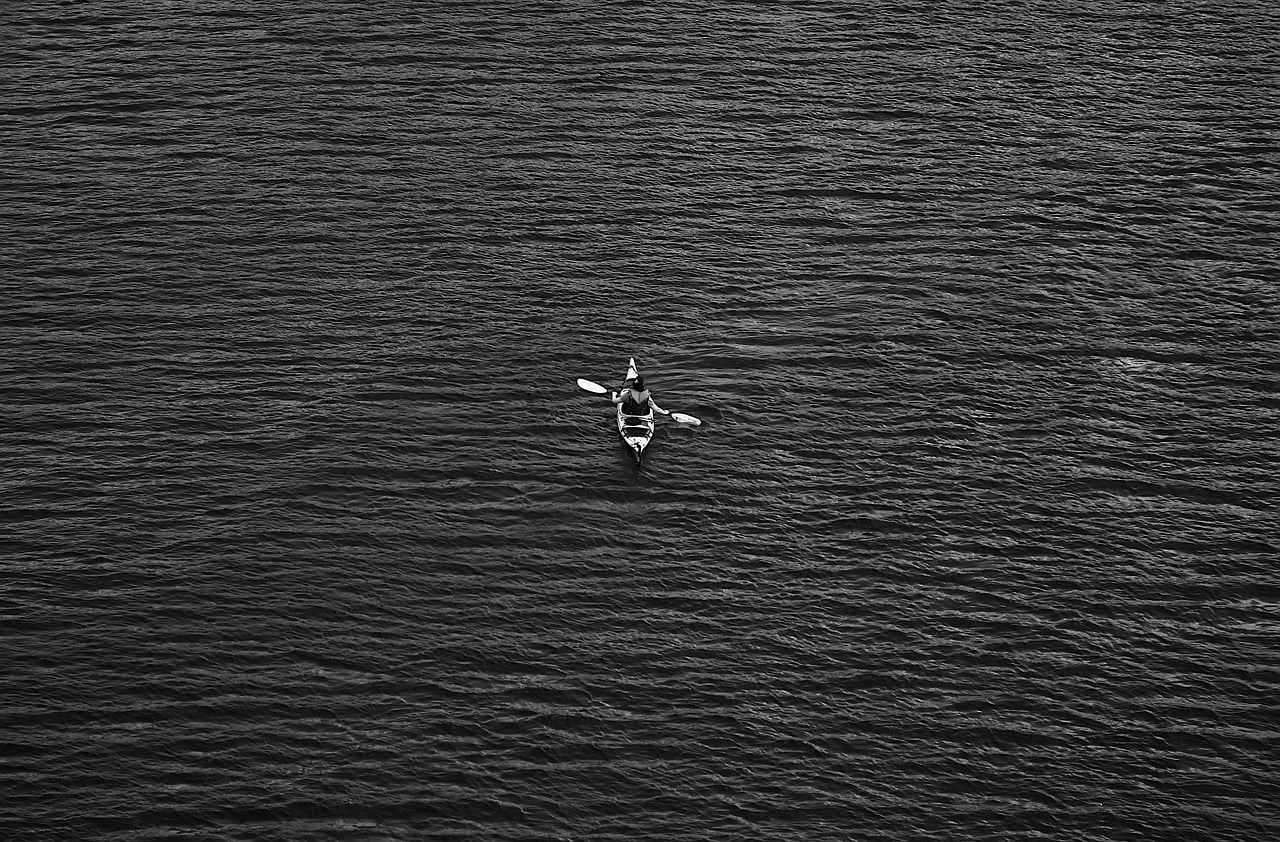
There is a certain class of coastal crag that no trail reaches. It sits below a headland, backed by steep heather or loose scree, fronted by deep water and a narrow landing. Climbers have known about these places for decades, but the approach has always been the filter. Some go by boat. Some go by kayak. If you are curious about the kayak option, the logistics matter as much as the climbing.
Start with the boat. A sea kayak with bulkheads and enough volume to carry climbing gear is the standard tool. Sit-on-tops work for short, calm crossings but offer less protection and less capacity. Whatever you paddle, you need to be genuinely competent in it — not just able to go in a straight line on a lake, but able to handle chop, wind, and a loaded boat. The sea does not care that you are a strong climber.
Packing for Two Sports
Space is the constraint. A full trad rack, rope, harnesses, shoes, and personal gear will fill a kayak fast. Think in terms of compact and essential. Leave the second rope if you can. Carry a single set of cams and a set of nuts rather than doubles. Use a small, soft climbing pack that will squash into a hatch. Keep heavy items low and centered to preserve stability.
Waterproofing is non-negotiable. Dry bags inside the hatches, and a small dry bag on deck for items you might need — water, snacks, a phone in a case, a VHF radio. Assume everything will get wet at some point. Anything you cannot afford to soak goes in a dry bag, and even then, double-bag the important stuff.
Plan the crossing around the sea, not the other way around. Check the forecast for wind and swell, and the tide for direction and timing. A crossing that is easy at slack water can be a grind against a strong tide. Aim to arrive at the crag with enough time to climb and return before conditions change. Build in a margin — kayak approaches take longer than you think, especially loaded and especially if the landing is tricky.
The landing is where most kayak approaches go wrong. Scouting from the water is hard; scouting from above, on a previous hike, is far better. Know whether the landing is a sheltered cove, a rocky shelf, or a surf beach. Note the swell direction and how it interacts with the shore. If you are unsure, do not commit. A bad landing with a loaded boat can cost you gear, the day, or worse. Have a backup plan — another crag, another day, or a hike-in alternative.
Once landed, secure the boat above the high-water line if possible, or tether it if not. Leave a line you can grab if the tide rises. Then transition to climbing mode: rack up, rope out, and enjoy the fact that you are standing at the base of a route most people will never see. The reward of a kayak approach is not just the climbing. It is the whole day — the paddle, the solitude, the sense of having earned the place. Treat the logistics with the seriousness they deserve and the experience will repay you many times over.