The Climber's Guide to Camping on a Coastal Headland
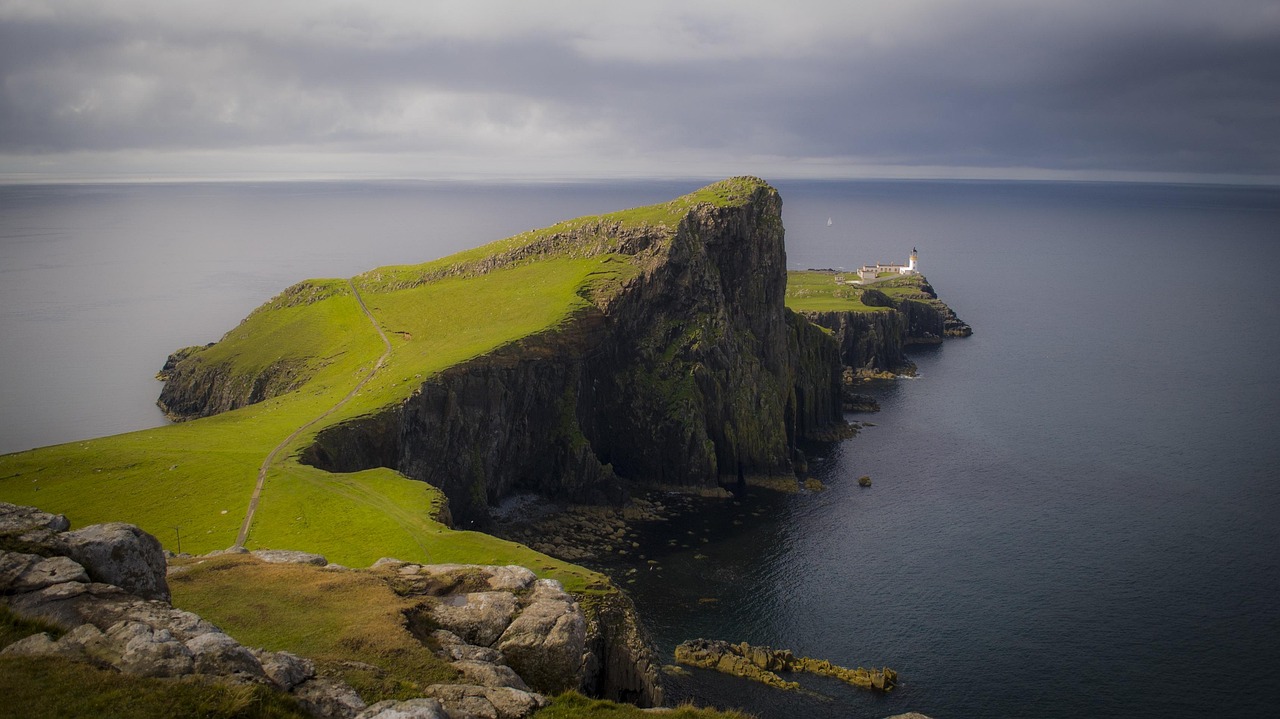
Some of my favourite climbing days have started from a tent pitched on a grassy headland, with the sound of waves below and a cliff glowing orange in the first light. Camping near the crag removes the pre-dawn drive, the parking stress, and the vague anxiety of arriving late to a route that needs a low tide. But coastal camping has its own rules, and ignoring them turns a great trip into a long, sleepless night.
The first rule is wind. Coastal headlands funnel and accelerate breeze in ways that are hard to predict from a forecast. A spot that looks perfectly sheltered at 4 p.m. can be a wind tunnel by midnight. Before you pitch, walk the area and look for signs of previous camps: flattened grass, old fire rings, and the kind of vegetation that only grows where wind rarely reaches. Pitch behind a wall of rock or a dense hedge if you can. If you cannot find shelter, set the tent low and broadside to the wind rather than end-on, and use every guy line. A tent that flaps all night will keep you awake and may not survive a gust.
Tides, Access, and Leaving No Trace
Coastal camping is often on land that belongs to someone: a farmer, a trust, or a national park. Check the rules before you go. Some headlands allow wild camping if you arrive late and leave early and leave no trace. Others prohibit it entirely, and the climbing access may depend on climbers respecting those boundaries. I have seen access to entire crags threatened because a few people left gates open, lit fires in the wrong place, or parked blocking a farm track. It costs nothing to be a good guest and it protects the climbing for everyone.
Tides matter for camping too, not just climbing. If you pitch on a beach or a low ledge, you need to know how high the water reaches at the biggest tide of your stay. A spring tide can come metres higher than a neap tide, and a calm night can hide a swell that builds by morning. I never camp below the highest strand line of seaweed and debris. That line is the ocean's own record of where it has been, and it is more reliable than any app.
Comfort and Safety in a Salt Air Camp
Salt air and damp grass make everything feel wetter than it is. I bring a groundsheet that extends well beyond the tent footprint, and I keep my sleeping bag in a dry bag even inside the tent. Condensation is the enemy of a good night's sleep, so I vent the tent as much as the wind allows and avoid cooking inside. If the weather turns, a bothy bag or a tarp stretched over the cooking area turns a miserable evening into a tolerable one.
Water and waste need planning. There is rarely a tap on a headland, so I carry enough for drinking and cooking, and I know where the nearest refill is. Human waste should be carried out or buried deep in topsoil well away from watercourses and the sea, and only where local rules allow burial at all. Toilet paper gets packed out, always. It is a small inconvenience that keeps these places worth visiting.
The reward for all this care is a morning you cannot buy. You unzip the tent to grey light and the sound of surf, make coffee while the cliff turns gold, and walk to the base of your route before anyone else has left the car park. That is why I camp on headlands. Not because it is easy, but because it puts me exactly where I want to be.