Climbing in the Rain Shadow: Finding Dry Rock on a Wet Coast
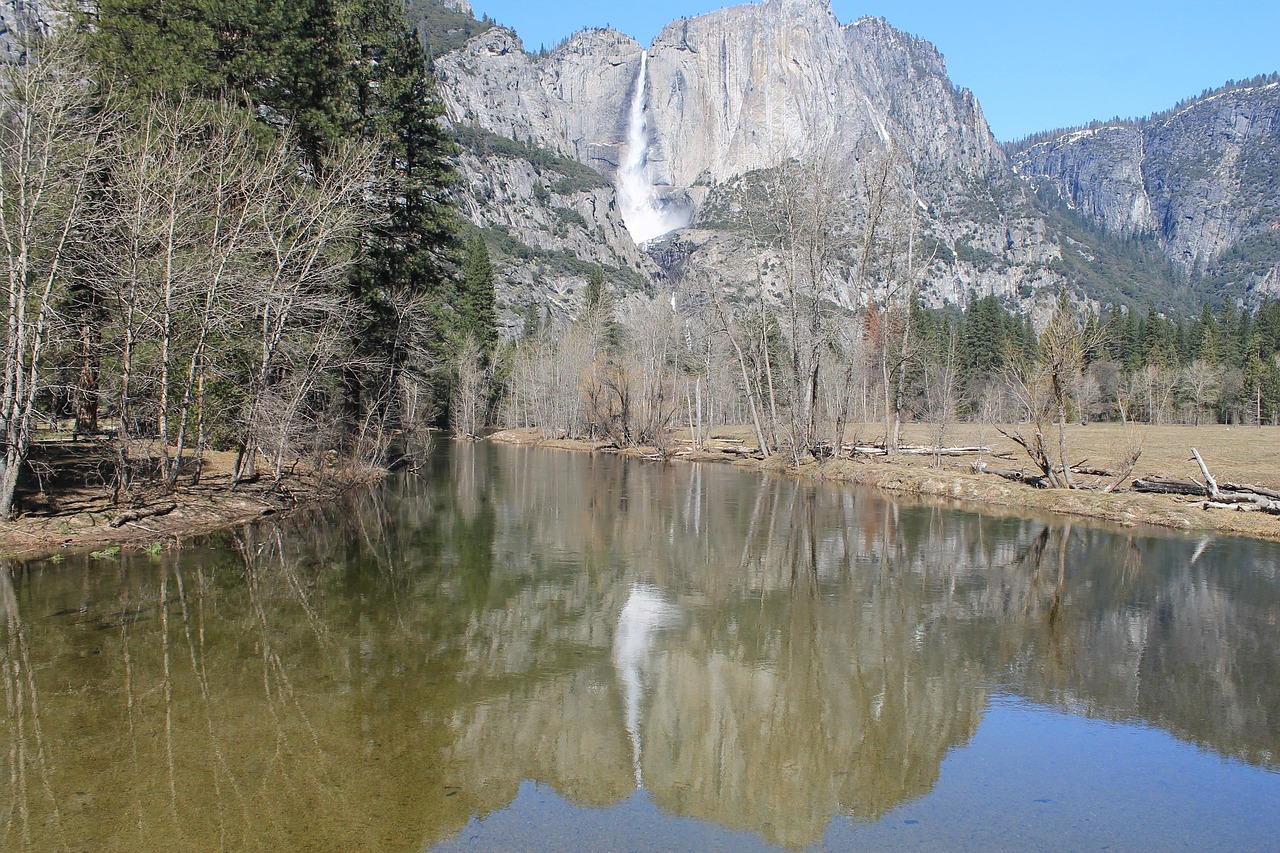
Living near a wet coast teaches you a specific skill: finding dry rock when everything within an hour of home is dripping. The answer is almost always the same. You drive inland, you drive uphill, and you look for the crags that sit in the rain shadow of a mountain range. It sounds simple, and sometimes it is, but the difference between a wet day and a perfect day often comes down to understanding how weather moves across the landscape.
Prevailing winds carry moisture off the ocean and push it against the first high ground they meet. That is where the rain falls. On the other side of the range, the air has already dropped its water and warms as it descends, which means the crags in that lee are often dry when the coast is soaked. I have left my house in a downpour, driven ninety minutes inland, and climbed in sunshine on rock that had not seen rain in days. The trick is knowing which ranges cast the shadow you need and where the crags sit relative to them.
Reading Terrain and Aspect for Dryness
Once you are in the rain shadow, aspect matters as much as location. South-facing crags dry fastest because they catch the most sun. East-facing walls dry in the morning, which is ideal if you want to climb early and be gone before afternoon showers roll back in. North-facing crags can stay damp for days after a storm, especially in gullies where water seeps through the rock. I have a mental map of my local crags sorted by aspect, and I choose based on the recent weather rather than the forecast for the day itself.
Rock type matters too. Granite and most volcanic rock shed water quickly and can be climbable an hour after rain stops. Sandstone is the opposite. It absorbs water, weakens when wet, and can break under load if you climb it too soon. Limestone falls somewhere in between, but polished limestone becomes genuinely dangerous when damp. If you are not sure what you are climbing on, err on the side of waiting. A rest day is cheaper than a broken hold and a long drive to a hospital.
The Gear and Habits of a Dry-Rock Hunter
Chasing dry rock requires a slightly different kit than a normal cragging day. I carry a stiff brush for cleaning lichen and dirt off holds that have not been climbed in a while, a small towel for wiping seepage, and more layers than I think I need. Rain shadow crags are often higher and windier than coastal ones, and the temperature can drop fast when the sun goes behind a ridge. A lightweight belay jacket earns its place in the pack on almost every one of these trips.
I also plan my days with flexibility built in. If the forecast is uncertain, I pick a crag with multiple aspects so I can move around the wall as conditions change. If the morning is wet, I start late and climb into the afternoon. If the afternoon looks stormy, I start early and finish by lunch. The goal is not to outsmart the weather but to work with it, and the climbers who get the most days on rock are usually the ones who are willing to adjust their plan rather than cancel it.
There is a quiet satisfaction in standing on dry rock while clouds hang low over the coast behind you. You did not get lucky. You read the map, you understood the weather, and you made a good decision. That skill, more than any amount of finger strength, is what keeps you climbing through a wet season.