Climbing and Foraging: A Coastal Trip That Feeds You
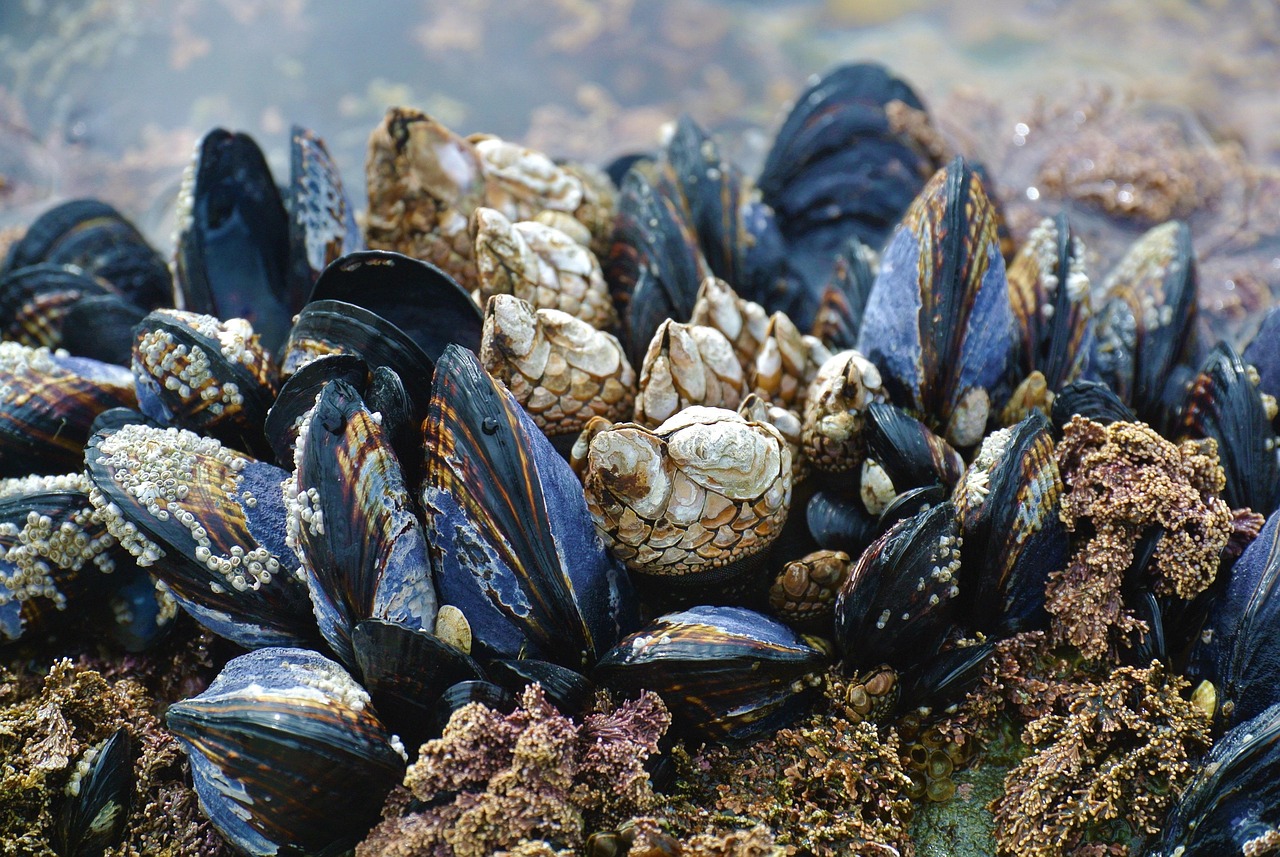
There is a particular pleasure in a coastal climbing trip that ends with a meal you gathered yourself. Not every trip needs to be a survival exercise, but bringing a small foraging kit alongside your rack can turn a day at the crag into something richer. The coast is full of edible things, and climbing often puts you in exactly the places where they grow.
The first rule is knowledge. Foraging without identification skills is not foraging, it is gambling. Learn a handful of species thoroughly before you eat anything. On many coasts, mussels, limpets, and a few common seaweeds are good starting points. Each has lookalikes or lookalike conditions — mussels can accumulate toxins in certain seasons, some seaweeds are not edible, and some shore plants resemble toxic relatives. A local guidebook or a foraging course is worth far more than a confident guess.
Foraging with a Climber's Eye
Climbers have an advantage: we spend time on cliffs and ledges that other people never visit. Mussels cling to exposed rock in the intertidal zone. Seaweeds grow in bands according to how much time they spend submerged. Shore greens like sea beet and orache appear in the splash zone and above. As you scout routes or walk the base, you are already looking at habitat. Bring a small mesh bag and a knife, and keep your eyes open.
Timing matters. The best foraging is on a falling tide, especially a big spring low, when the widest band of shore is exposed. That often coincides with good climbing conditions too — low tide means dry ledges and accessible bases. Check local regulations before you harvest. Many areas have size limits, seasonal closures, or permit requirements. Take only what you will eat, leave the rest, and never strip a patch bare. The goal is to participate in the coast, not to empty it.
Safety is not just about identification. Shellfish filter water and can concentrate toxins, so check for local biotoxin advisories. Avoid harvesting near marinas, outfalls, or industrial areas. Cook mussels thoroughly and discard any that do not open. Seaweeds are generally safer, but rinse them well and use them fresh or dry them properly. If you are unsure about anything, do not eat it. The meal is not worth the risk.
The reward is a different kind of connection to the place. You climb the cliff, you walk the shore, you gather a few things, and you cook them at camp while the light fades. It slows the trip down and makes the coast feel less like a backdrop and more like a larder. Even a modest haul — a handful of mussels, a few leaves of sea beet — turns a climbing day into something with a beginning, a middle, and an end. Pack a small pot, a bit of garlic, and some olive oil. The coast will provide the rest, if you learn how to ask.