Reading the Sea Before You Rack Up: Swell, Wind, and Timing on Coastal Rock
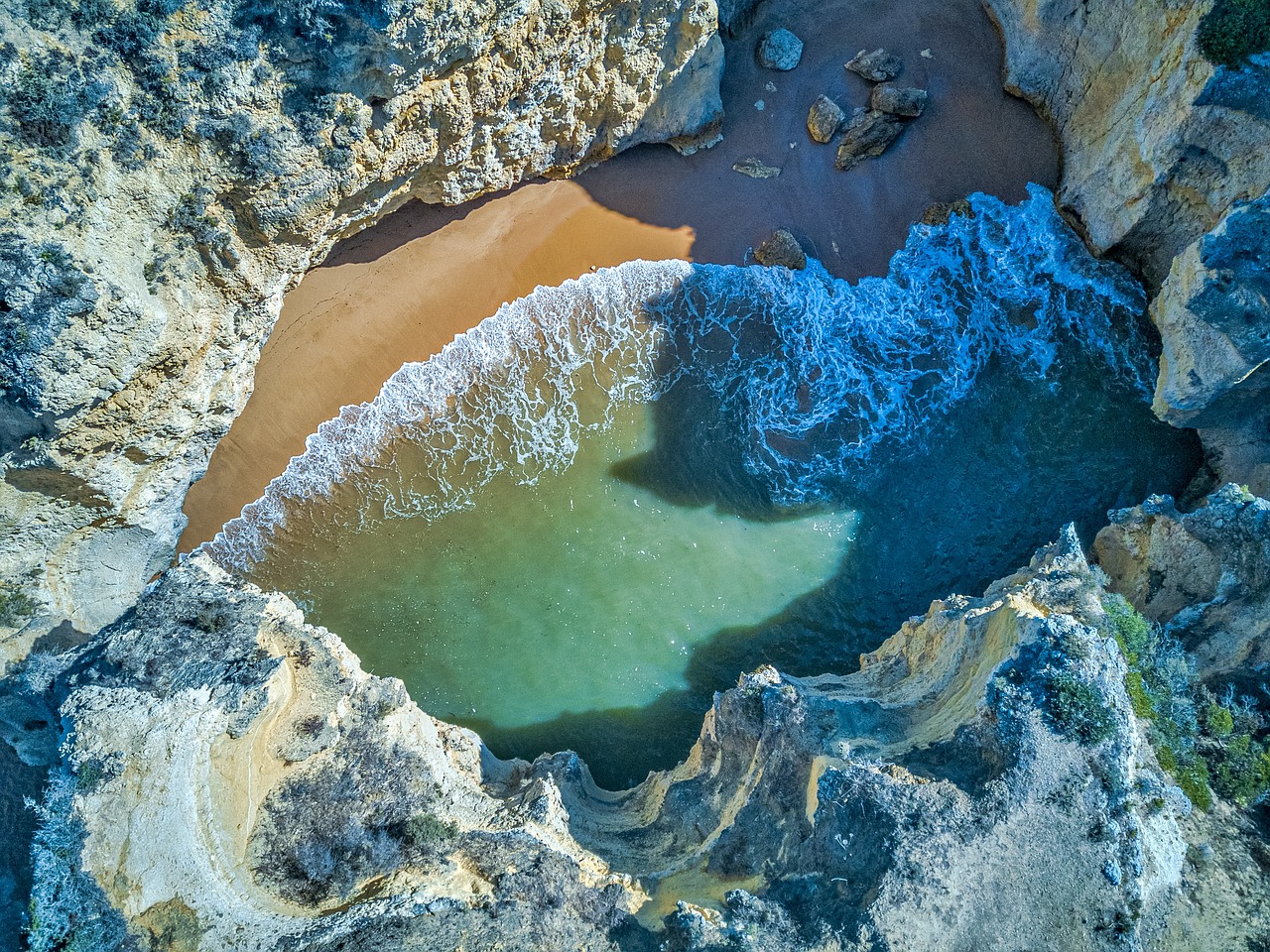
Most climbers check the weather app, see a sunny icon, and assume the day is on. On the coast, that logic falls apart fast. A bluebird forecast with a long-period swell running and an onshore breeze can turn a mellow sea-level crag into a washing machine. Learning to read the ocean is not optional garnish for coastal climbing — it is the rack and rope of trip planning.
Start with the basics. Swell has three numbers that matter: height, period, and direction. Height tells you how much water is moving. Period tells you how much energy is behind it. A two-foot swell at fifteen seconds carries far more punch than a three-foot swell at six seconds, because long-period energy travels deep and surges against cliffs in sets. Direction tells you which stretches of coast will catch it. A west swell can leave an east-facing zawn almost calm while the exposed headland next door is double overhead.
Wind Is Half the Equation
Wind does two things to your day. It shapes the swell, and it hits you on the wall. Offshore wind grooms the sea surface and can make the water below your route surprisingly manageable, but it also means anything you drop is gone forever and your rope may blow into the rock. Onshore wind stacks water against the cliff and pushes spray up the base. Cross-shore wind is the sneaky one — it makes the sea look confused and can send rogue sets slapping into ledges you thought were dry.
Read the wind at the crag, not just at the car park. Headlands accelerate and bend airflow. A sheltered zawn might be glassy while the approach path is a wind tunnel. If you can, watch a full tide cycle from above before you commit to a route. Twenty minutes of observation tells you more than an hour of forecast scrolling.
Tide is the third leg. Many coastal routes have a window — dry at mid to low, underwater at high, or cut off entirely by a rising tide behind a boulder choke. Carry a printed tide table, not just a phone that might die or lose signal. Note the time of high and low water and, more importantly, the rate of change. The hour around low slack is the most forgiving; the hour after low is when stranded ledges start disappearing.
Putting it together is a skill you build by doing. Start with conservative days: small swell, light offshore or calm wind, a falling tide arriving at low. Climb routes you can see from a safe vantage. Retreat early the first few times, even if it feels unnecessary. The goal is to calibrate your reading of the sea against reality, so that eventually you can glance at a forecast and a chart and know, roughly, what the ocean will be doing when you tie in.
None of this replaces local knowledge. Talk to people who climb the area regularly. Ask about the swell direction that shuts down your target crag, the wind that turns the descent gully into a waterfall, the tide height that floods the belay ledge. Coastal climbing rewards patience and punishes assumptions. The ocean is not your adversary — it is a partner that never negotiates. Learn its language and you will climb far more days than the climbers who only read the sky.